
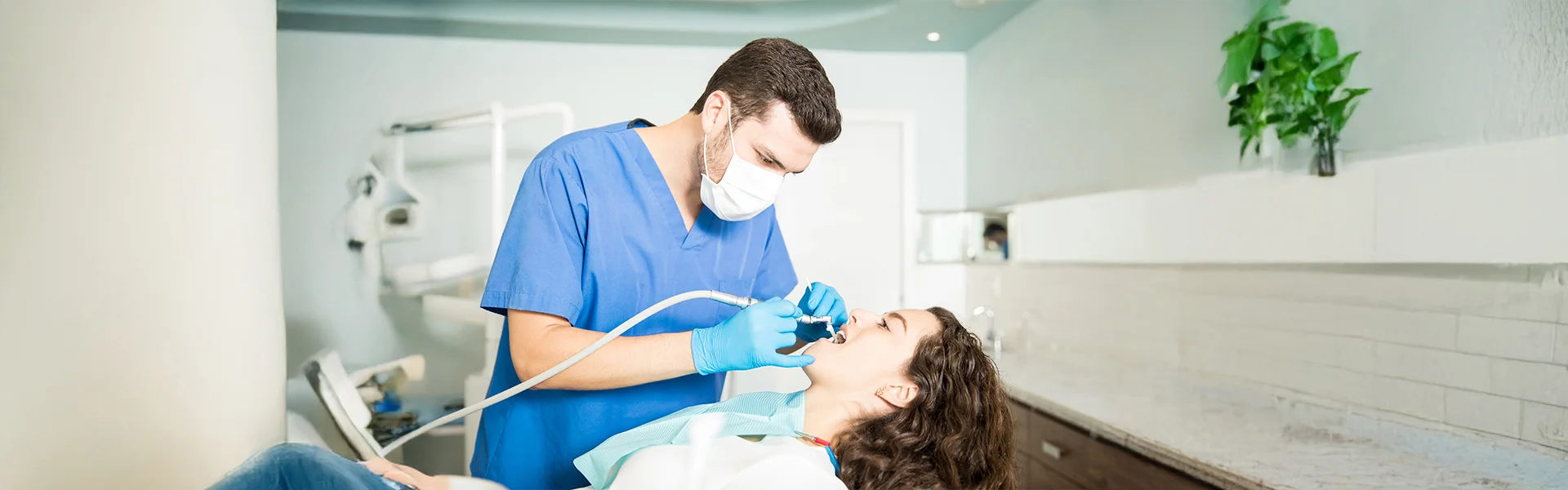
How Root Canal Therapy Helps Prevent Tooth Loss and Restore Oral Health
Continuous discomfort may indicate involvement of the inner tooth structure. The pulp contains blood vessels that play a role in tooth development. When decay, cracks, or trauma expose this area, inflammation can develop. If left untreated, bacteria can extend beyond the tooth and involve the surrounding bone.
Root Canal Treatment in Redding, CA, is performed to clear diseased pulp tissue while maintaining the remaining tooth structure. The procedure focuses on addressing damaged tissue without sacrificing the external tooth surface.
Understanding the steps involved can support thoughtful decision-making about your care.
How Pulp Damage Develops
The outer enamel layer protects the tooth from daily wear. Beneath the enamel lies dentin, which surrounds the pulp chamber. When decay penetrates these protective layers, bacteria can reach the pulp, causing inflammation.
Common signs of pulp involvement include:
- Persistent or throbbing tooth pain
- Sensitivity to hot or cold that lingers
- Swelling near the affected tooth
- Tenderness when chewing
- Darkening of the tooth
In some cases, pulp damage may develop without significant discomfort. Accurate diagnosis depends on both a detailed examination and appropriate imaging to determine the next steps.
What Happens During Root Canal Therapy
Root canal therapy focuses on clearing diseased inner tissue while preserving the outer tooth structure. Local anesthesia is used to maintain comfort during the procedure.
The general steps include:
- A small opening is created in the pulp chamber
- Inflamed tissue is removed
- The internal canals are cleaned and shaped
- The canal space is disinfected
- The canals are filled and sealed to reduce the risk of reinfection
Following canal sealing, the tooth is restored with a filling or crown to help prevent structural damage. Adequate restoration contributes to lasting stability. Keeping the natural root intact helps maintain normal bite alignment and chewing stability while preventing neighboring teeth from shifting.
If you’re searching for endodontics near you in Redding CA, it’s important to choose an experienced provider who can accurately diagnose and treat your condition.
Why Retaining a Natural Tooth Matters
Maintaining the natural tooth is generally viewed as a conservative clinical strategy. Natural teeth preserve proper spacing and alignment. They also help stimulate the jawbone during chewing, which supports bone density.
Removing the tooth might relieve discomfort initially, but it can lead to changes in tooth position and necessitate a replacement, such as an implant or bridge. Retaining the existing structure often supports better long-term stability.
When to Seek Evaluation
Delaying care can allow the inflammatory process to spread into adjacent bone tissue. This may increase the likelihood of bone damage or abscess formation.
Many people seek evaluation once discomfort becomes difficult to ignore, although earlier assessment may help prevent complications. It is important to choose a provider experienced in diagnosing and managing pulp conditions.
Recovery and Long-Term Outlook
Short-term sensitivity can occur after treatment, more often in cases where inflammation existed before the procedure. This discomfort typically improves as the surrounding tissue heals.
With appropriate restoration and regular follow-up visits, a treated tooth may remain stable for many years. Consistent oral hygiene and routine examinations reduce the likelihood of new decay or future complications.
If you have been advised that treatment may be necessary or are experiencing symptoms, contact Park Marina Endodontics to schedule a comprehensive evaluation.